The three types of ice cream maker — and the one thing the marketing hides
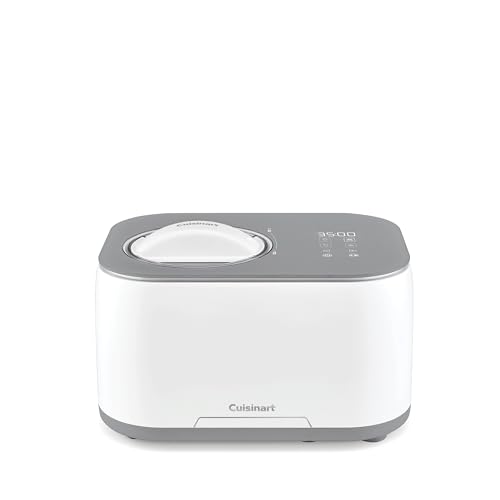
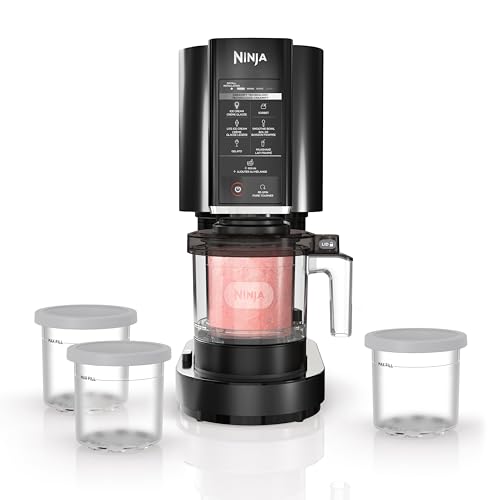
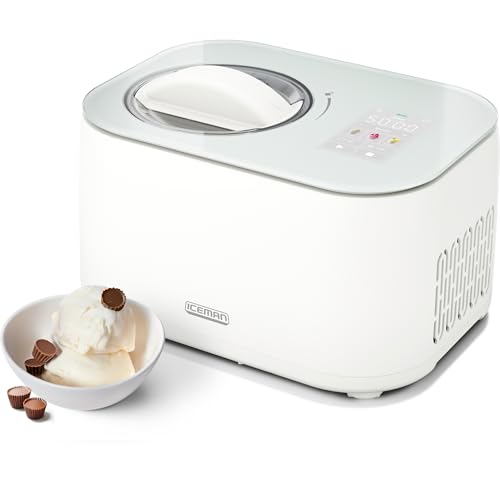
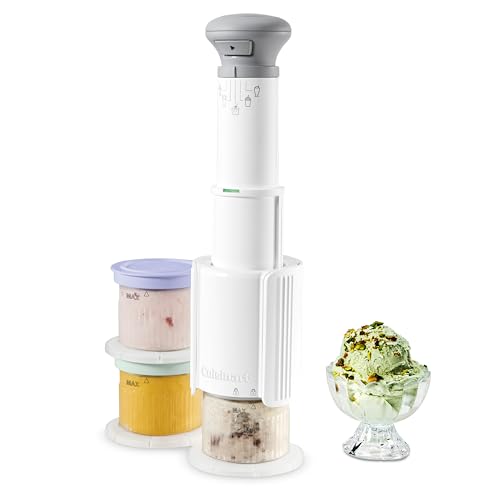
There are only three architectures on Amazon.ca, and choosing between them matters far more than choosing between brands. FROZEN-BOWL machines (Cuisinart ICE-70C, ICE-30WNC) use a double-insulated canister you freeze for 12-24 hours, then churn for about 20 minutes. They are cheap and make the biggest countertop batches, but the bowl permanently occupies freezer space and you can only make one batch per freeze. COMPRESSOR machines (Breville Smart Scoop, Cuisinart ICE-90C, Chefman Iceman) have refrigeration built in — no pre-freezing, no freezer space, unlimited back-to-back batches. They cost two to five times as much and are physically heavy. SPIN machines (Ninja CREAMi, Cuisinart FastFreeze) do not freeze or churn at all — they shave a solid frozen block into a creamy texture. Here is the part the marketing does not lead with: a CREAMi still requires you to freeze your base for 24 hours first. Canadian reviewers say so repeatedly and bluntly — 'it only blends whatever you froze the night before'. If you want to decide at 8pm and eat ice cream at 9pm, a compressor machine is the only option that actually does that.
Always buy the Canadian SKU — it is cheaper and it is a different listing
This is the single most valuable thing to know when buying an ice cream maker on Amazon.ca. Many of the best-reviewed listings in search results are US-market SKUs sold only by third-party cross-border sellers at heavily inflated prices. The Cuisinart ICE-70P1 shows a $234.97 buy box held by a seller with a 36% positive rating — while the identical machine as the Canadian ICE-70C is sold and shipped by Amazon.ca for $170.73. The entire Whynter line sells on amazon.ca only through third parties at $440-$670, roughly three times its real value, with one offer shipping from Turkey. Look for the Canadian model-number suffix: Cuisinart uses C or NC (ICE-70C, ICE-30WNC, ICE-90C) and Ninja uses C (NC701C, CN302CCO). Then check the 'Sold by' line actually says Amazon.ca. Doing those two checks can save you sixty dollars and a warranty headache.
The plastic paddle is the part that breaks — plan for it
Across every price point in this research, the single most common hardware failure is the plastic churning paddle or dasher snapping. Cuisinart owners report it breaking between the first and eleventh use on both the ICE-70C and ICE-30WNC; the Chefman Iceman paddle broke on the second and third uses for some owners; the Cuisinart ICE-90C paddle clip failed in under ten uses. This matters more in Canada than the breakage rate alone suggests, because a replacement Cuisinart paddle costs close to half the price of the machine here, and one owner found a replacement bowl effectively unobtainable. Two practical defences: never run the machine on a mixture that has already set hard, and check before you buy that replacement paddles and bowls for your specific model are actually stocked on amazon.ca. If you cannot find the spare part today, assume you will not find it in a year.
Warranty length is not the same as warranty service
Cuisinart prints a 3-year limited warranty on its machines — triple what Breville and Ninja offer — and on paper that is a decisive advantage. Canadian reviews tell a more complicated story. Owners of both the ICE-70C and ICE-30WNC describe leaving repeated messages with Cuisinart Canada and receiving no callback, in one case with a warranty window actively expiring. A Breville owner whose compressor died at 13 months reported no response, no repair option and no replacement. The no-name compressor brands are worse still: a KUMIO owner wrote that neither the seller, nor Kumio, nor Amazon would act on a warranty claim. Read the printed term as a ceiling, not a promise. The practical protection for a Canadian buyer is choosing an Amazon.ca-sold-and-shipped offer, because Amazon's own returns process is the fallback that actually works.
Be realistic about capacity — and about noise
Stated capacity is bowl capacity, and usable yield is typically 70-80% of it once air is churned in. Worse, some listings simply overstate: the Chefman 'Iceman Trio' reads as a 2-quart machine but ships two roughly 600ml inserts, which one Canadian reviewer flagged directly as tricky advertising. Match the size to the household honestly. Two quarts (Cuisinart ICE-70C or ICE-30WNC) feeds a family from one run — though a 2-quart canister is a serious commitment of freezer real estate, and close to a non-starter if you are working with the freezer compartment of a compact mini fridge. One litre (Breville, Cuisinart ICE-90C) suits a couple. CREAMi pints and the Cuisinart FastFreeze half-pint are single servings. Only the 4-quart bucket machines (Nostalgia, Elite Gourmet) will serve a party. Separately, budget for noise: it is the most universal complaint in this entire category. Compressors hum loudly for 40-60 minutes and CREAMi spin cycles are worse in short bursts — one Canadian owner compared running theirs to a chainsaw going off in the house. If your kitchen opens onto a living room, this will matter to you more than you expect.
Getting good texture: the technique that separates creamy from icy
Icy or grainy output is the most common disappointment across all three machine types, and it is usually fixable. First, chill your base thoroughly in the fridge for at least 2-3 hours before it goes anywhere near the machine — several owners who complained about poor results were churning a room-temperature mix. If you are making a French-style custard base, cooking it in a sous vide cooker at a fixed temperature removes the risk of scrambling the yolks entirely. Second, for frozen-bowl machines, freeze the canister for a full 24 hours at 0°F/-18°C, not the 12 hours the box suggests; 'it never solidified' complaints are overwhelmingly under-frozen bowls. Third, do not overfill — reviewers of both the Cuisinart ICE-70C and ICE-90C report overflow when following the included recipes at full quantity, so scale down slightly. Fourth, on a CREAMi, expect to use the Re-spin function and add a splash of milk or cream; Canadian owners are consistent that a single spin rarely produces a creamy result. Finally, accept that almost every machine here produces a soft-set result that needs an hour or two in the freezer to reach scoopable firmness.